Learn search engine marketing, PPC advertising, and paid search with practical tips to improve visibility and attract qualified traffic.
Slug
search-engine-marketing-guide
Introduction
Getting visitors to your website is only part of the challenge. The real goal is attracting people who are actively looking for what you offer. That is where search engine marketing becomes valuable. It combines organic search optimization with paid advertising to help businesses appear in front of the right audience at the right time. From my experience building websites and testing marketing strategies, I have learned that long term success comes from understanding user intent, creating useful content, and improving every step of the customer journey.
Table of Contents
What Is Search Engine Marketing?
SEO and Paid Search
Best Practices for Better Results
Common Mistakes to Avoid
FAQs
Conclusion
What Is Search Engine Marketing?
Search engine marketing is the process of increasing a website’s visibility on search engines through both SEO and advertising campaigns. It helps businesses reach users who are already searching for products, services, or information related to their needs.
Instead of relying on guesswork, search engine marketing focuses on matching content and advertisements with user intent. This makes it one of the most measurable digital marketing strategies.
Method
Main Goal
Results
Best For
SEO
Improve organic rankings
Long term
Building authority
Paid Search
Display ads for target keywords
Immediate
Fast traffic and lead generation
Many successful businesses use both methods because they support different goals while working together.
SEO and Paid Search
Although people often use these terms interchangeably, they serve different purposes.
SEO
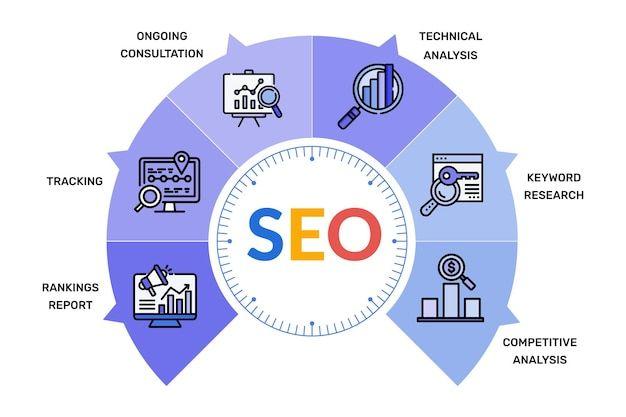
SEO improves a website’s content, technical structure, and user experience so search engines can understand and rank pages naturally. It requires consistency, but the long term benefits include steady traffic and stronger credibility.
Paid Search
Paid search allows businesses to display advertisements for selected keywords. Advertisers pay when someone clicks their ad, making it a flexible option for businesses that need immediate visibility.
For example, a local web design agency launching a new service can use paid search to reach business owners immediately while SEO gradually builds organic rankings for the same service pages.
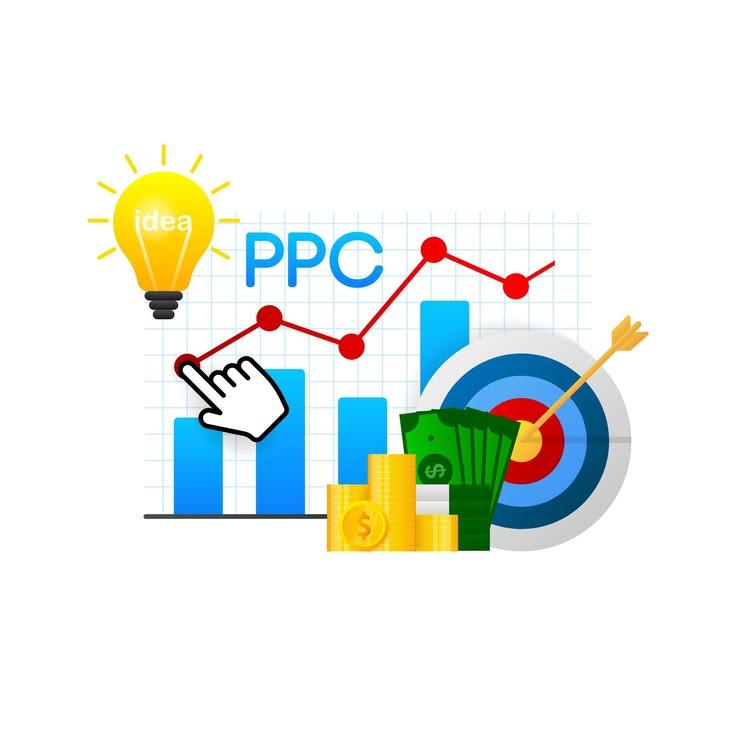
Using SEO together with ppc advertising often creates a balanced strategy that delivers both short term and long term growth.
Best Practices for Better Results
Focus on Search Intent
Every keyword represents a question or need. Before creating content or advertisements, understand what users actually expect to find.
Build Relevant Landing Pages
A good landing page should answer the visitor’s question quickly. Clear headlines, simple navigation, and helpful information encourage visitors to stay longer and take action.
Track Performance
Successful marketers monitor impressions, clicks, conversions, and user behavior instead of focusing only on traffic. Reviewing this data helps identify what should be improved.
Improve User Experience
Fast loading pages, mobile friendly layouts, and easy navigation make a noticeable difference. During my website projects, I have often found that improving page speed and simplifying layouts increased engagement without increasing advertising costs.
Test and Refine
Digital marketing is never completely finished. Testing different headlines, keywords, and landing pages provides valuable insights that help improve campaign performance over time.
Common Mistakes to Avoid
Many businesses invest in marketing but overlook the basics.
Common mistakes include:
Targeting broad keywords with unclear intent.
Sending advertisement traffic to the homepage instead of a relevant landing page.
Ignoring website speed and mobile usability.
Measuring clicks but not conversions.
Stopping campaigns before enough data is collected.
Avoiding these mistakes creates a stronger foundation for consistent growth.
Frequently Asked Questions
What is search engine marketing?
Search engine marketing combines SEO and paid advertising to increase website visibility on search engines.
Is SEO better than paid search?
Neither is universally better. SEO supports long term growth, while paid search provides faster visibility. Using both often delivers the best results.
What is PPC advertising?
PPC advertising is a model where advertisers pay only when users click their advertisements.
Can small businesses benefit from search engine marketing?
Yes. Even with a limited budget, businesses can reach highly targeted audiences and measure campaign performance effectively.
How long does SEO take to show results?
SEO usually takes several months because rankings improve gradually through quality content, technical improvements, and website authority.
Conclusion
Learning search engine marketing is not about chasing rankings alone. It is about understanding your audience, creating helpful experiences, and making informed decisions using real data. Combining strong SEO with thoughtful paid search and ppc advertising allows businesses to attract qualified visitors while building sustainable online growth.
Call to Action
If you are beginning your digital marketing journey, start with one improvement at a time. Small, consistent changes often produce stronger results than trying to change everything at once.
About The Author
Hi, I’m Sumit Pal.
I’m a Website Designer, Performance Marketer, and SEO enthusiast passionate about helping businesses grow online. I build high-converting websites, optimize user experiences, and explore how AI can improve digital marketing. Through this website, I share practical insights, case studies, and actionable strategies based on continuous learning, experimentation, and real-world implementation.